Long-Term Plumbing Solutions
Repiping Services in Plantation, FL
Find out whether replacing a section of pipe or a larger part of your plumbing makes sense. Get a Free Estimate
Long-Term Plumbing Solutions
Find out whether replacing a section of pipe or a larger part of your plumbing makes sense. Get a Free Estimate
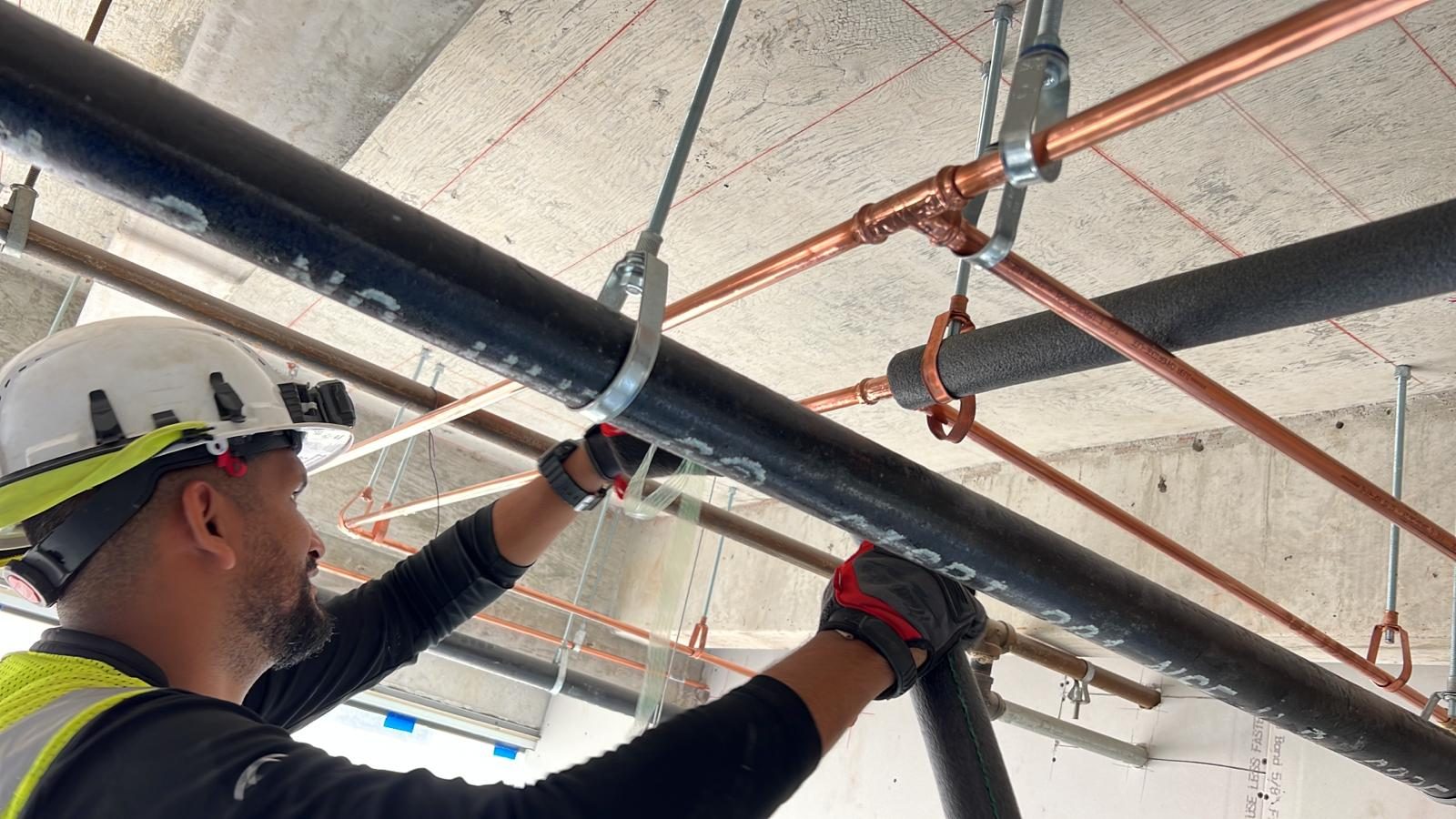
Repairing a single damaged pipe can be the right solution, but repeated leaks may point to a larger problem. Aging materials, corrosion, deteriorated connections, and recurring failures can make ongoing patch repairs increasingly inconvenient. Repiping involves replacing some or all of the plumbing supply pipes in a property, depending on the condition of the system and the owner's needs.
For Plantation homeowners, the decision should be based on inspection rather than assumptions about a property's age alone. The location and frequency of leaks, pipe materials, water quality, accessibility, and condition of the existing plumbing all matter. A focused replacement may address the affected area, while whole-home repiping may be worth evaluating when deterioration is widespread.
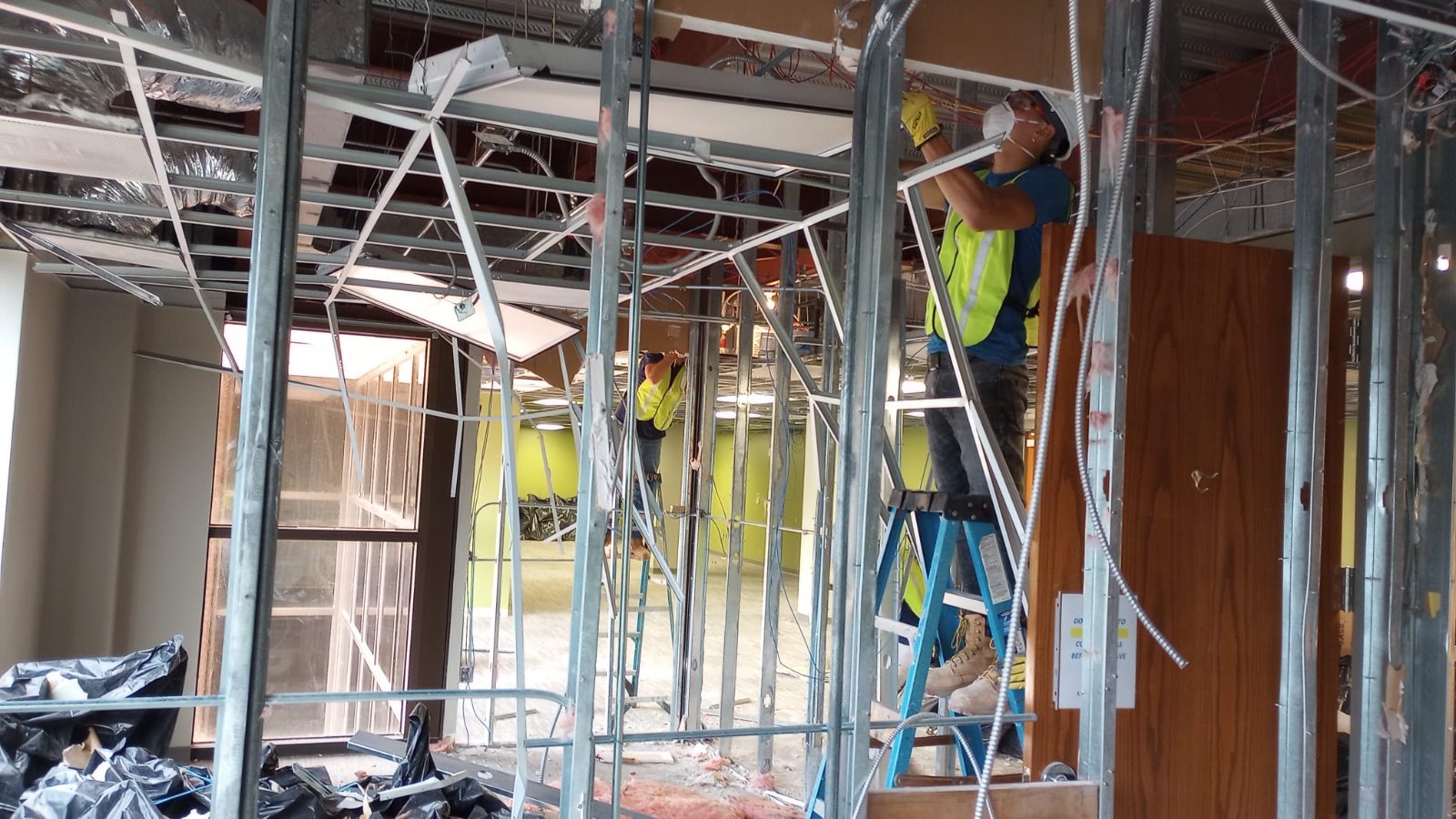
Repiping is a larger project than a single pipe repair. It requires a clear scope of work, appropriate materials, access planning, and consideration of how the replacement will connect to the existing system. The goal is to provide a practical solution that meets the property's needs without replacing more plumbing than necessary.
Partial repiping replaces a defined section or branch of the plumbing system. It may be appropriate when damage is concentrated in one area and the remaining pipes are in suitable condition. The connection between old and new materials should be planned carefully, and the surrounding system should be evaluated for additional concerns.
Whole-home repiping replaces a larger portion of the water supply network. It may be considered when several sections are deteriorating, leaks occur repeatedly, or the existing pipe material has reached an unsuitable condition. The scope, access requirements, expected disruption, and total price should be reviewed before the project begins.
The appropriate replacement material depends on the application, local requirements, water conditions, installation methods, and compatibility with existing plumbing. Material choices should be discussed with the responsible plumbing professional rather than selected on price alone. Applicable permits and inspections should be confirmed before work starts.
A repiping project may require access through cabinets, walls, ceilings, or other finished surfaces. Planning should cover water interruptions, access points, protection of furnishings, repair of openings, and coordination with any other trades. The written estimate should clarify which restoration tasks are included and which require separate arrangements.
| Service | Estimated Cost | Average |
|---|---|---|
| Partial repiping | Estimate required | Depends on scope |
| Whole-home repiping | Estimate required | Depends on property size |
| Additional access and restoration | Confirm in writing | Depends on building finishes |
No verified company pricing or local average has been supplied. Request an itemized estimate covering pipe materials, labor, access, permits when applicable, testing, and restoration so you can compare the full project scope.
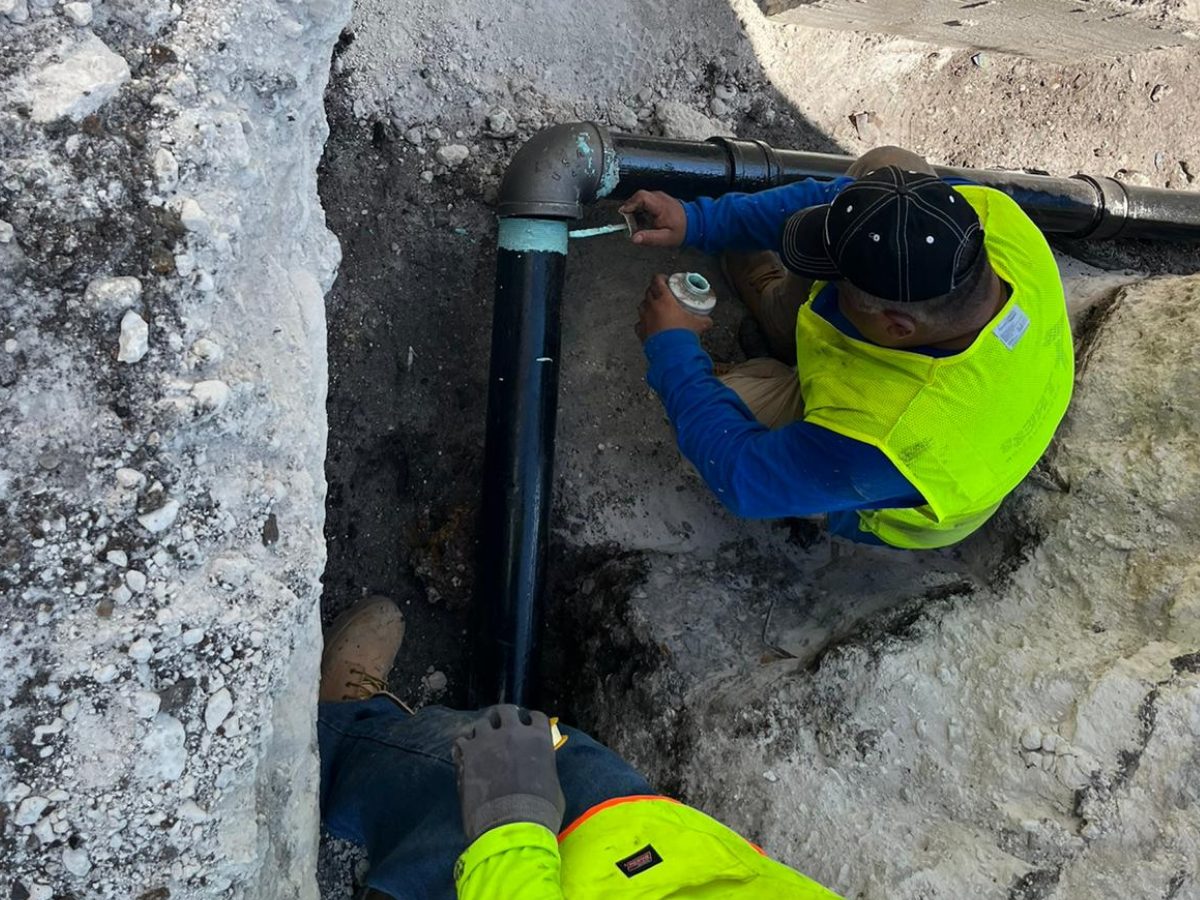
A single failure does not automatically mean every pipe needs replacement. Recommendations should reflect the actual condition and history of the plumbing.
We emphasize clear explanations of which lines will be replaced, what access is required, and what the project is expected to accomplish.
Every building has different access challenges. A realistic plan accounts for water interruptions, occupied spaces, finished surfaces, and necessary follow-up work.
Repeated leaks may indicate a larger plumbing issue. Describe your property's history and request an assessment.
Free — no obligations
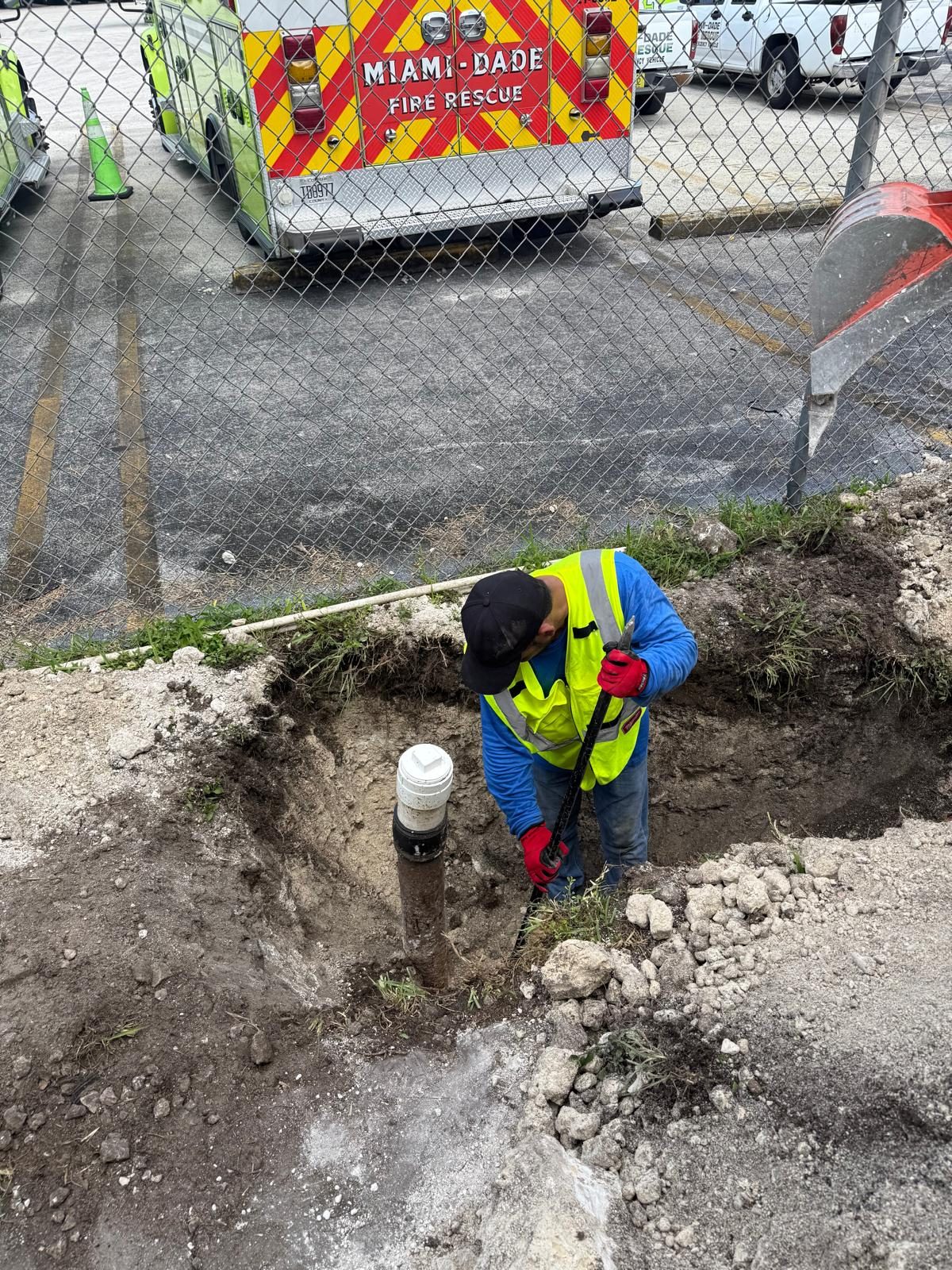
Discuss previous leaks, recurring symptoms, water pressure concerns, and the age and type of the existing plumbing when known.
Assess the accessible plumbing and identify whether localized replacement, partial repiping, or a broader project deserves consideration.
Review the planned replacement, material options, expected access, project costs, and any permit or restoration requirements.
Carry out the agreed replacement and test the affected plumbing. Confirm what follow-up restoration or inspection is required.