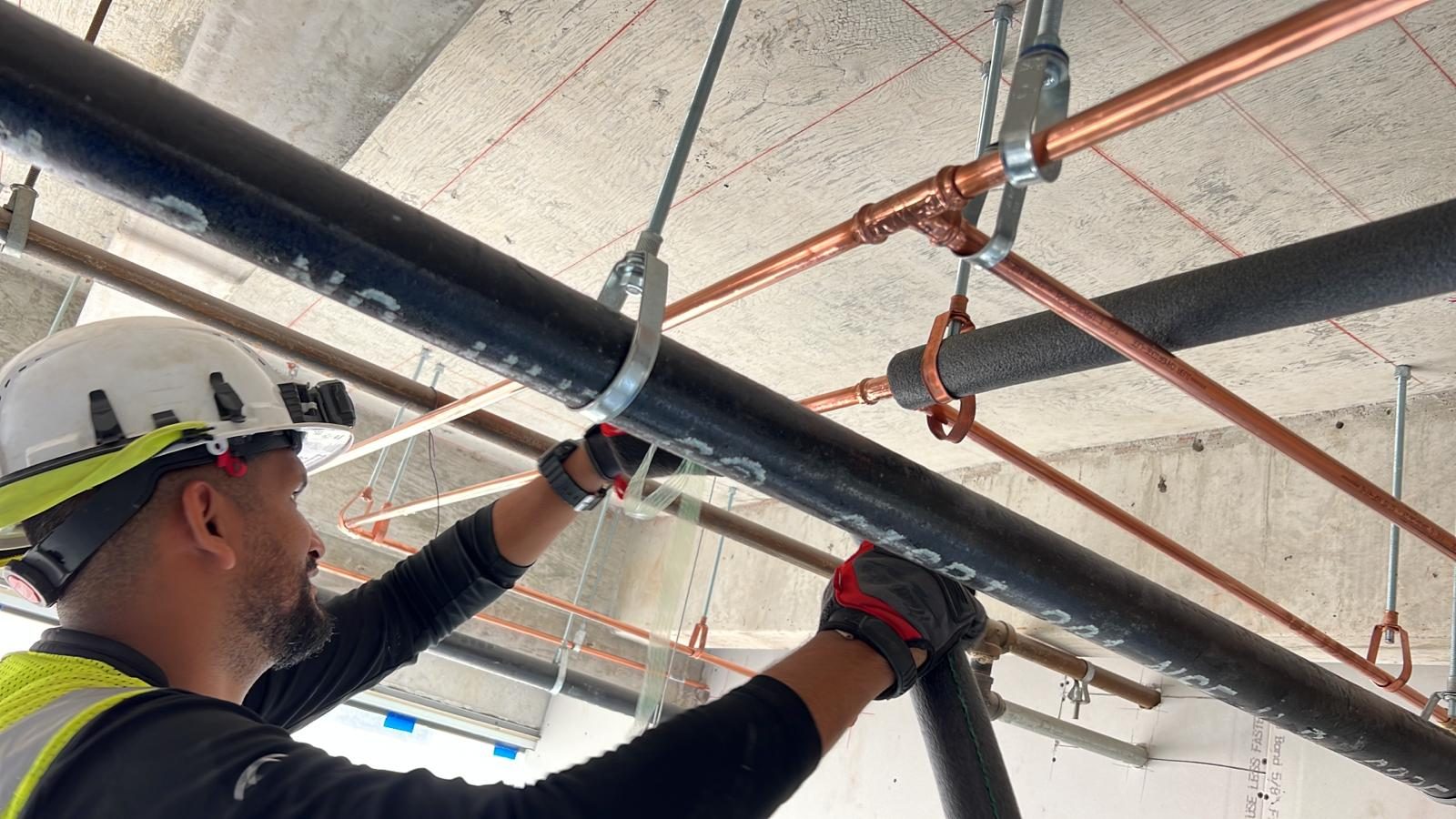
Under-Slab Plumbing Problems
Slab Leak Repair in Plantation, FL
Investigate possible under-slab leaks before choosing an appropriate repair method. Get a Free Estimate
Under-Slab Plumbing Problems
Investigate possible under-slab leaks before choosing an appropriate repair method. Get a Free Estimate
A slab leak occurs when a plumbing line running beneath or within a concrete foundation develops a leak. Because the pipe is concealed, the first signs may be unexplained damp flooring, warm or wet areas, water sounds when fixtures are off, or a water bill that has increased without an obvious reason. These symptoms can also have other causes, so a careful assessment is needed before a slab leak is confirmed.
Under-slab repairs require more planning than many accessible pipe repairs. The appropriate solution depends on the affected line, the pipe material, the leak location, the building layout, and the condition of the plumbing. Options may include accessing and repairing the failed section or rerouting a line when that is suitable. The costs, access requirements, and effects on flooring should be explained before work proceeds.
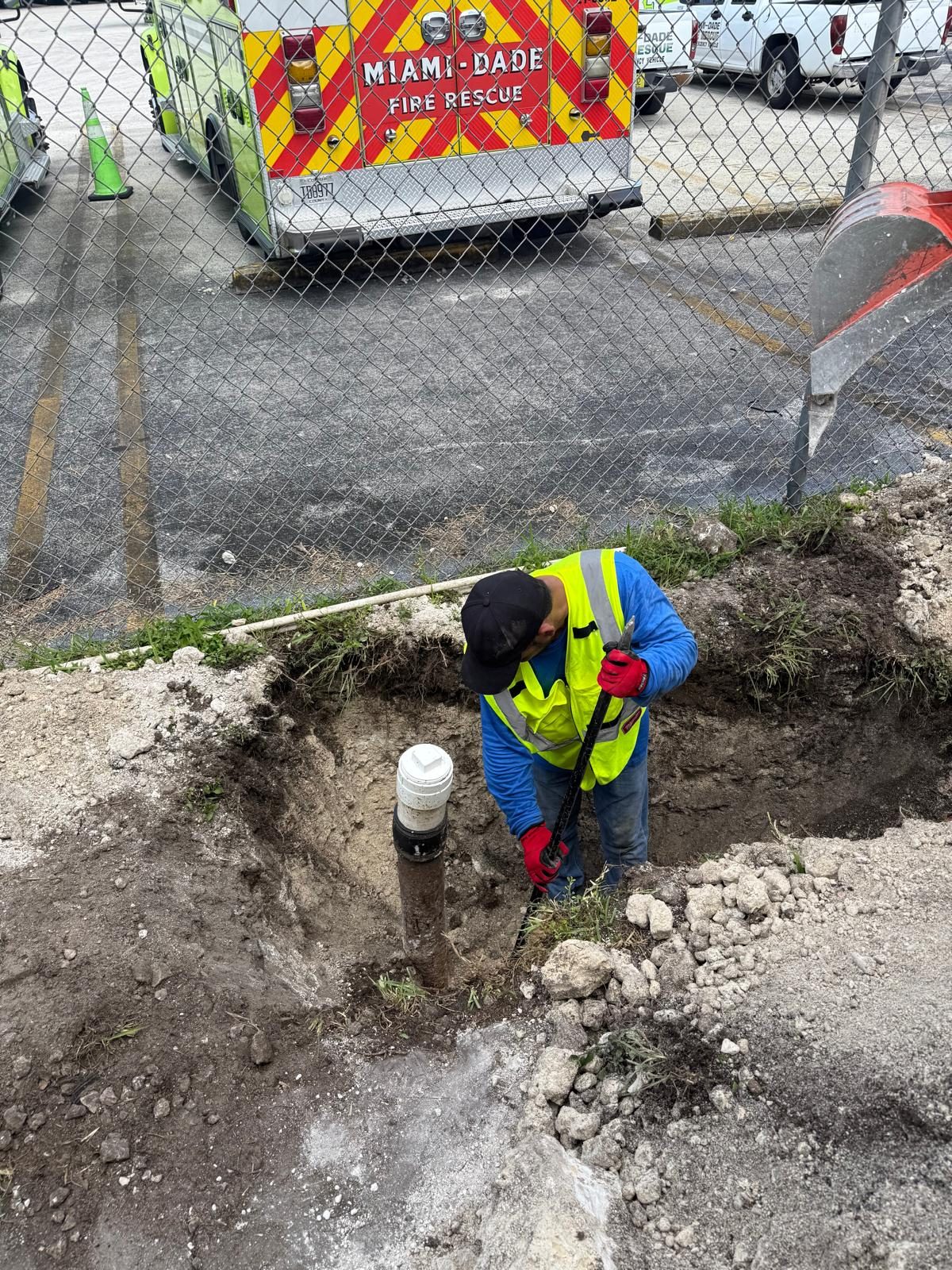
The aim is to locate the plumbing failure and select a repair that addresses the cause while considering the structure and finishes of the property. Breaking concrete is not automatically the best choice for every slab leak, and rerouting is not suitable for every system. The decision should follow an assessment of the affected line and available repair methods.
Persistent damp flooring, unexplained water use, localized warm spots, or water sounds without visible use may justify further investigation. No single sign proves that a slab leak is present. A professional assessment helps determine whether the plumbing, drainage, appliances, or another source is responsible.
Before selecting a repair, the affected plumbing line and likely leak location need to be established as accurately as practical. Diagnostic methods depend on the building, pipe system, and observed symptoms. A more precise location can help reduce unnecessary concrete removal or disruption.
In some cases, reaching the failed section through the slab may be appropriate. This method can involve concrete cutting, plumbing repair, and coordination with flooring or concrete restoration work. The proposed scope should explain the access area, repair work, and which finishing tasks are included.
Rerouting may be an option when an affected line can be replaced along a different accessible path. Its suitability depends on the plumbing layout, code requirements, connection points, and the condition of the remaining system. The long-term implications and full project cost should be compared with direct access before a decision is made.
| Service | Estimated Cost | Average |
|---|---|---|
| Slab leak investigation | Estimate required | Depends on diagnostic needs |
| Direct under-slab repair | Estimate required | Depends on access and pipe location |
| Rerouting a plumbing line | Estimate required | Depends on route and materials |
| Concrete and floor restoration | Confirm project scope | Depends on finishes |
Slab leak costs vary considerably with the leak location, detection requirements, pipe access, repair method, and flooring restoration. These are planning categories rather than verified prices. Ask for an itemized proposal covering both plumbing work and any related concrete or finish repairs.
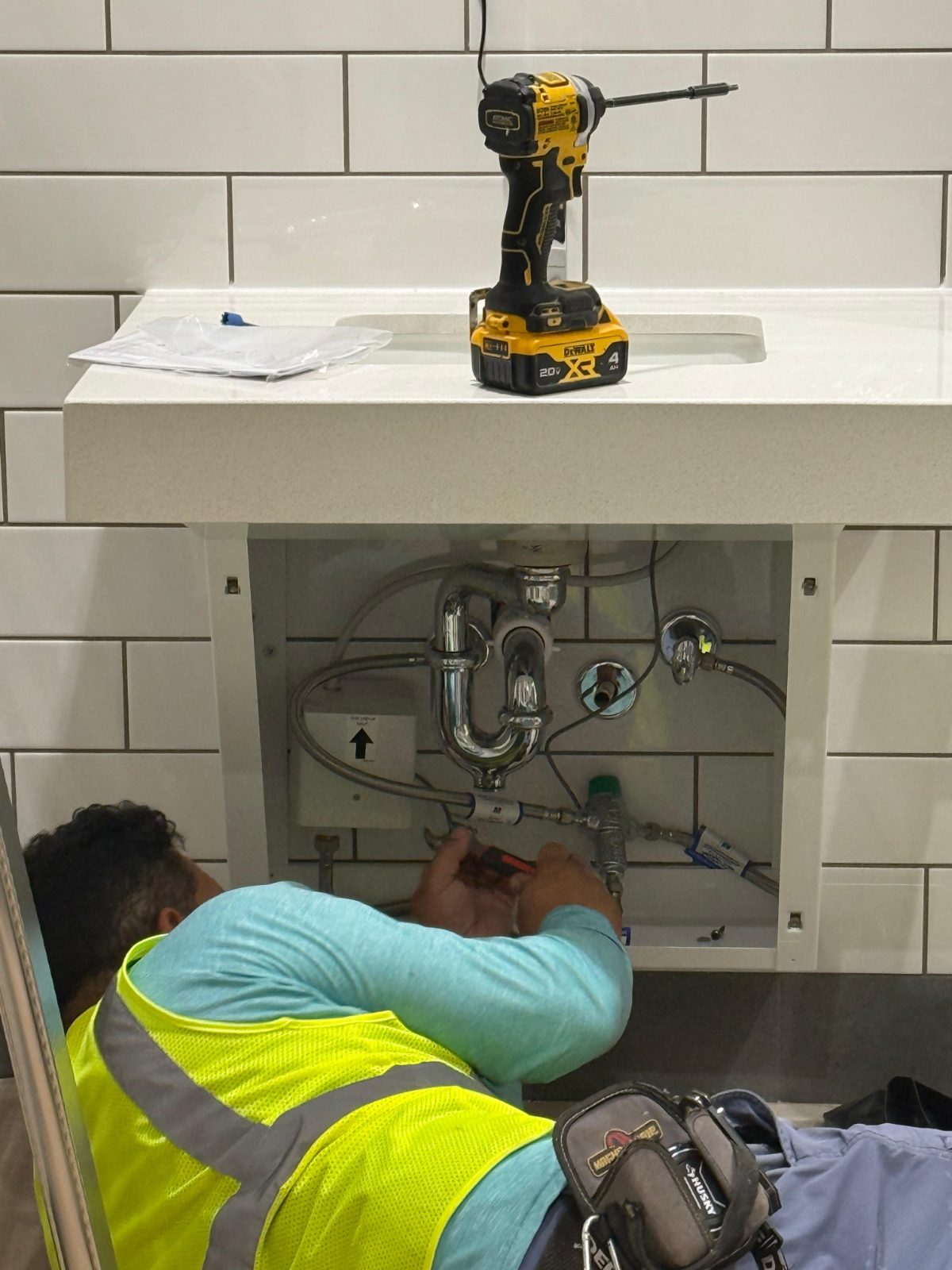
Damp flooring can have several causes. Establishing whether plumbing beneath the slab is responsible helps avoid unnecessary intrusive work.
Direct repair and rerouting can involve different costs and levels of disruption. The preferred approach should reflect the actual plumbing layout and condition.
Under-slab work may affect concrete and finished flooring. Clarifying the complete scope helps property owners understand what remains after the plumbing repair.
Suspected slab leaks deserve a careful assessment. Describe the symptoms and the affected rooms to help plan the next step.
Free — no obligations
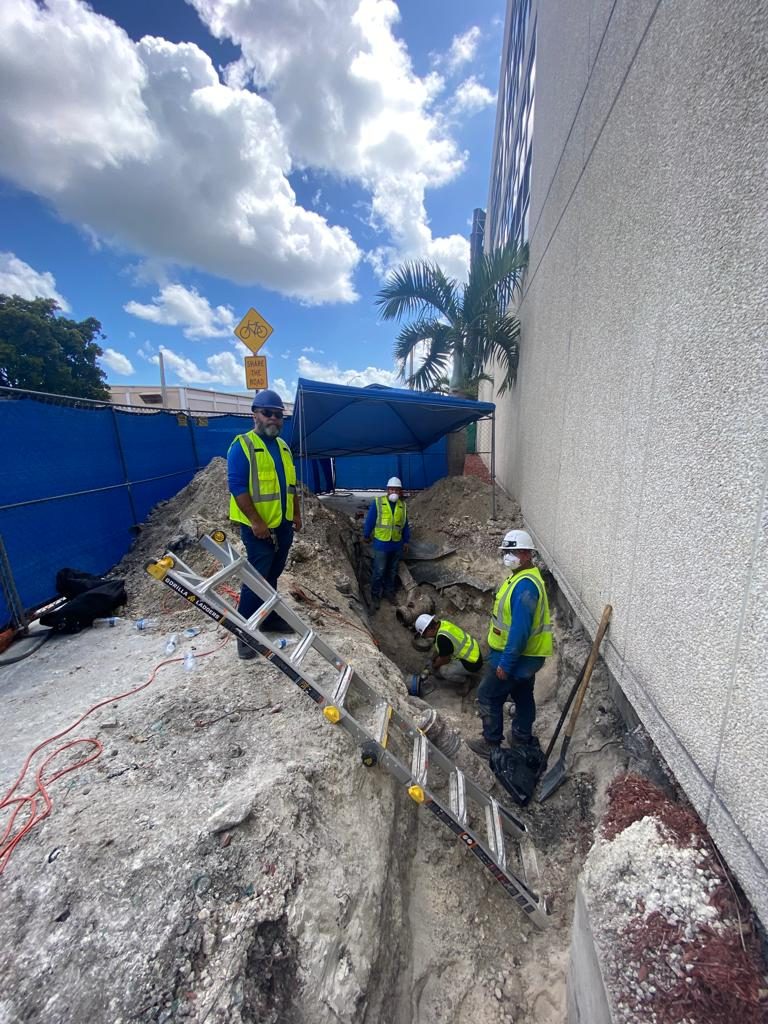
Describe damp spots, unusual water use, unexplained sounds, or other signs that have prompted concern.
Assess the system and determine whether the evidence supports a suspected slab leak and what further diagnostics are appropriate.
Review direct access, rerouting, materials, likely disruption, and restoration requirements where applicable.
Repair or replace the affected line as agreed, check the plumbing, and coordinate any outstanding concrete or floor restoration.